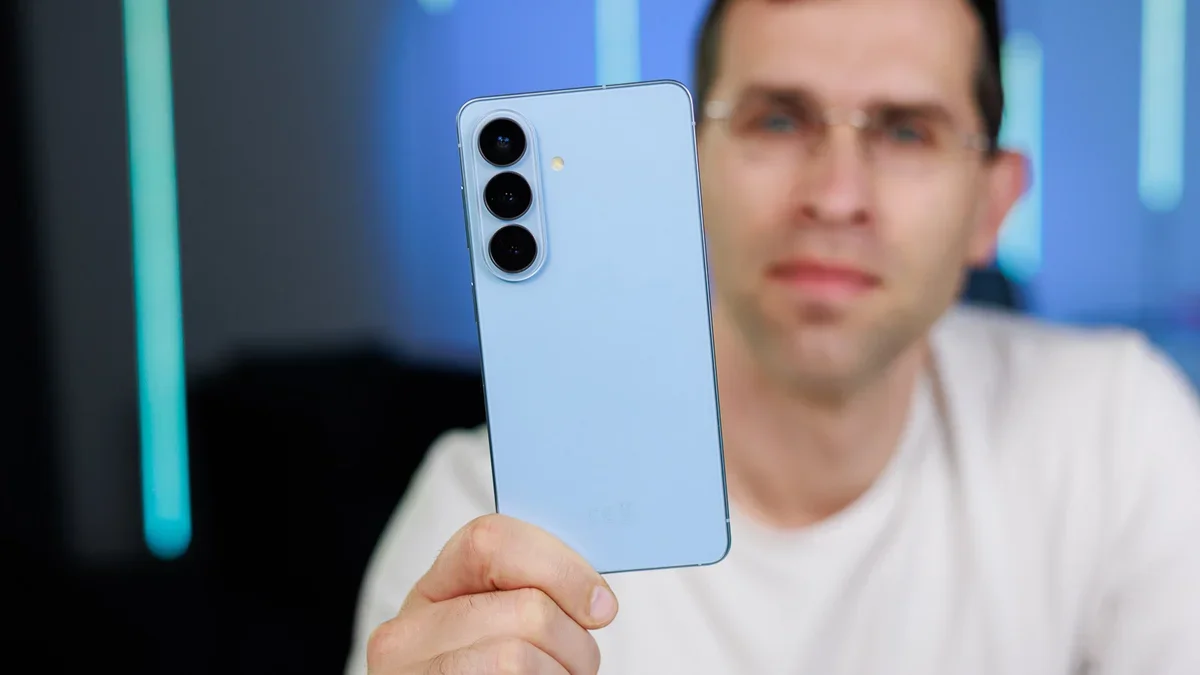
The Galaxy S26 already got the $100 price hike treatment. | Image by PhoneArena
You'd be right to guess that everybody is after oil and gas these days, but the world can't get enough RAM, either. The memory demand from multi-billion-dollar AI projects and gargantuan data centers has driven prices higher than the Artemis II.
While you already know all of the above, it's important to highlight what will could happen to the smartphone market. Ultimately, are we to cough up more for a phone in the near future?
Recommended For You
It's going one way: up
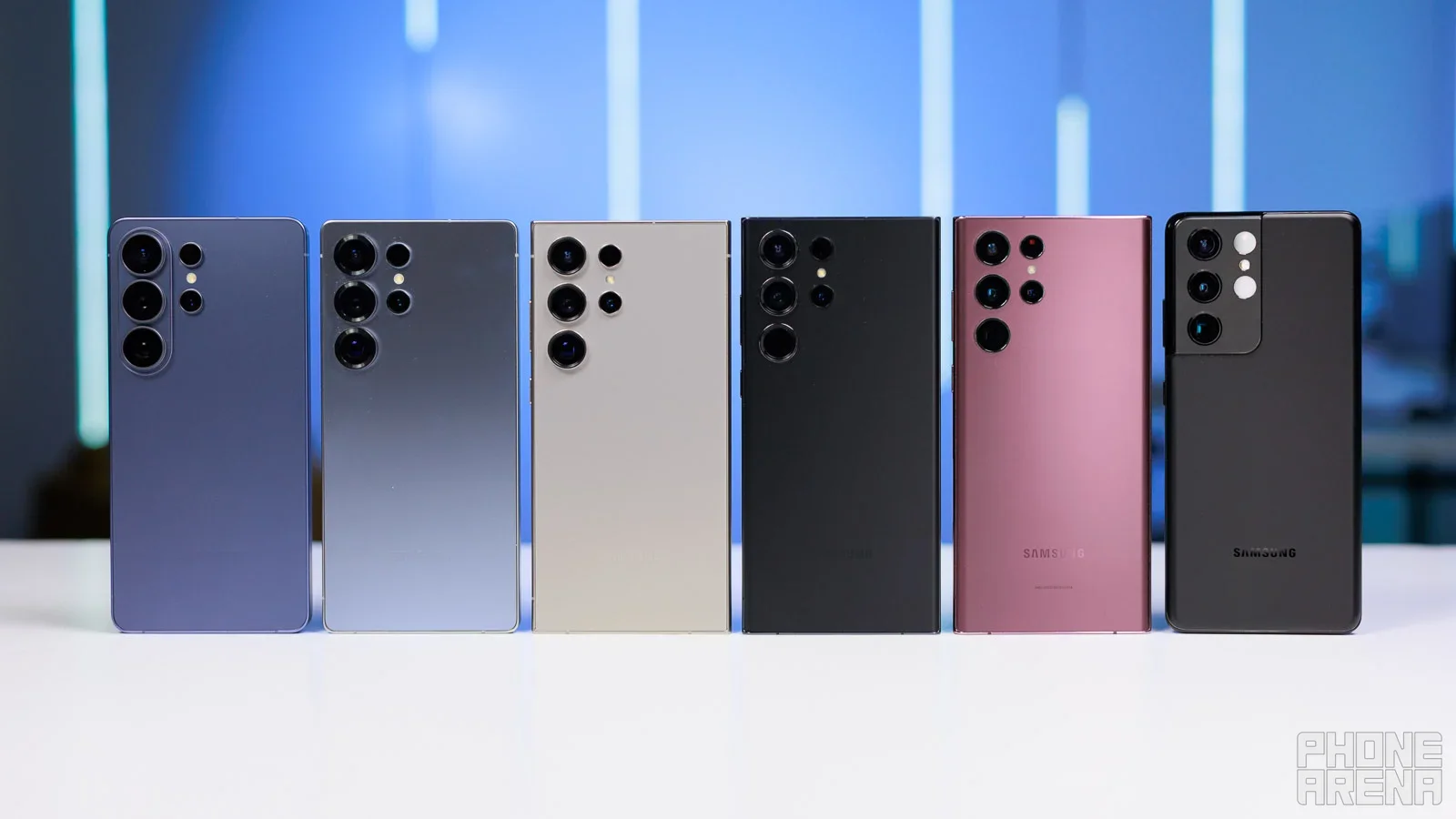
Sammy's Ultras are premium, but the S26 Ultra didn't get a price hike. | Image by PhoneArena
It all started in 2025, when memory prices went up by ~50% in the last several months; in Q1 2026, they're expected to rise another 50%, plus another 20% by the end of June. This will fundamentally alter the BoM (Bill of Materials) for smartphone makers, as Counterpoint's latest report reads.
For example, in a smartphone that costs about $800 (wholesale), memory can now make up around 40% of the total cost, which is three times higher than a year ago. By the end of June 2026, the cost to build a premium phone could rise by more than $150 compared to early 2025.
Recommended For You
This means that brands could increase the final retail price by over $200, or more than 25%. I hope your piggy banks are chock-full of gold.
The $700-$999 segment was the fastest growing in 2025, globally speaking. Sales for such phones grew by 25%, compared to 2024. But will "accessible" flagships manage to retain this level of popularity if they go another 25-30% up?!
Samsung already introduced price hikes
On February 25, when Samsung unveiled its Galaxy S26 family, the most expensive model of them all – the Ultra – did not get a price hike. The baseline Galaxy S26 and Galaxy S26 Plus, however, were wheeled out with a $100 higher price tag.
Is the $100 price hike for the Galaxy S26 justified?
What will the rest of the gang do?
This could open the door for other brands to step in and compete more aggressively in the "accessible flagship" space.
Companies like Google, Motorola, Oppo and Honor are in a good position, especially as some of them have already shown strong growth, per the report. Honor, for example, gained traction in 2025 by offering noticeable upgrades in areas like camera, battery and AI.
So, new chips, better cameras, and more efficient batteries are now essential, not optional. With AI features becoming more common on smartphones, devices need to handle more processing while staying power-efficient. Features that used to be limited to top-tier flagships are slowly making their way into cheaper models.
The way ahead
Still, 2026 is shaping up to be a tough year overall. The rising cost of memory is expected to hit the market hard, with global smartphone shipments likely to drop by around 12% year-over-year: "the single largest annual drop in smartphone history".
Budget phones could suffer the most, as higher component costs make them harder to produce and sell at low prices.
The only segment expected to hold up is the premium tier; but even there, growth could be limited. As prices go up, brands will need to justify the cost with real improvements, not just small upgrades.
So if the Galaxy S27 Ultra comes with a 5,000 mAh battery again, that'll be funny. Sorry, I mean: it'll be "funny".
Sebastian, a veteran of a tech writer with over 15 years of experience in media and marketing, blends his lifelong fascination with writing and technology to provide valuable insights into the realm of mobile devices. Embracing the evolution from PCs to smartphones, he harbors a special appreciation for the Google Pixel line due to their superior camera capabilities. Known for his engaging storytelling style, sprinkled with rich literary and film references, Sebastian critically explores the impact of technology on society, while also perpetually seeking out the next great tech deal, making him a distinct and relatable voice in the tech world.
A discussion is a place, where people can voice their opinion, no matter if it
is positive, neutral or negative. However, when posting, one must stay true to the topic, and not just share some
random thoughts, which are not directly related to the matter.
Things that are NOT allowed:
Off-topic talk - you must stick to the subject of discussion
Offensive, hate speech - if you want to say something, say it politely
Spam/Advertisements - these posts are deleted
Multiple accounts - one person can have only one account
Impersonations and offensive nicknames - these accounts get banned
To help keep our community safe and free from spam, we apply temporary limits to newly created accounts:
New accounts created within the last 24 hours may experience restrictions on how frequently they can
post or comment.
These limits are in place as a precaution and will automatically lift.
Moderation is done by humans. We try to be as objective as possible and moderate with zero bias. If you think a
post should be moderated - please, report it.
Have a question about the rules or why you have been moderated/limited/banned? Please,
contact us.



![T-Mobile is about to test the limits of customer loyalty [UPDATED]](https://m-cdn.phonearena.com/images/article/179374-wide-two_350/T-Mobile-is-about-to-test-the-limits-of-customer-loyalty-UPDATED.webp)










Things that are NOT allowed:
To help keep our community safe and free from spam, we apply temporary limits to newly created accounts: