This article may contain personal views and opinion from the author.
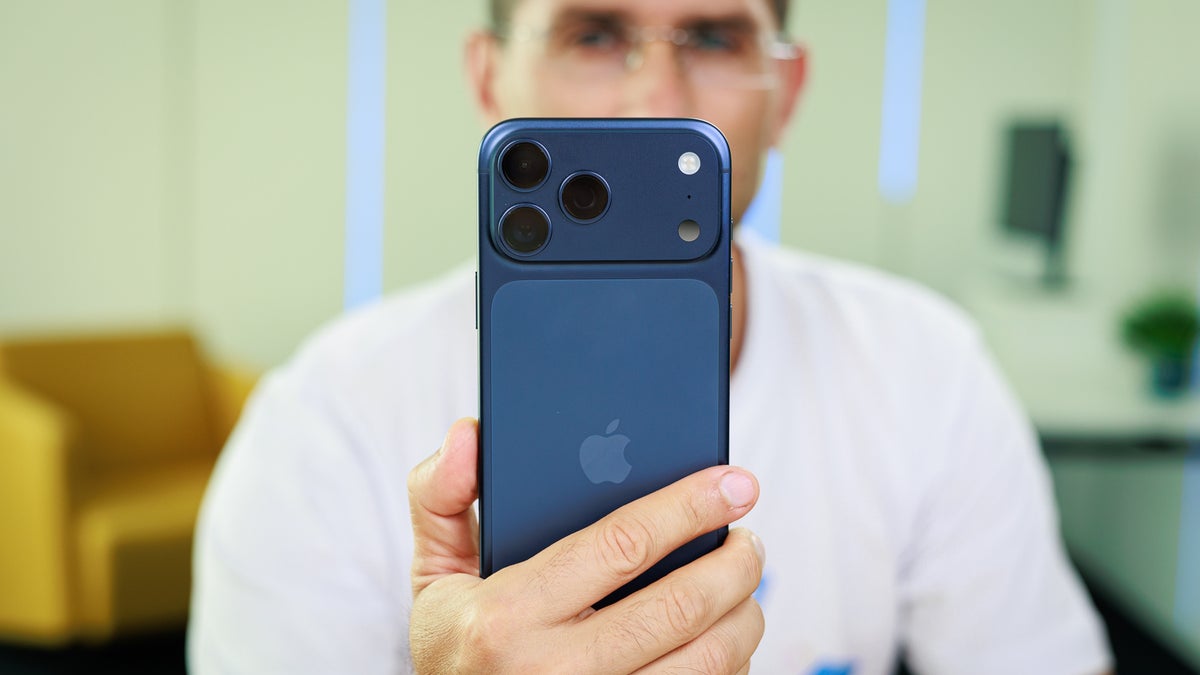
Apple appears to have major camera plans for the iPhone 18 Pro. | Image by PhoneArena
If you were hoping for groundbreaking upgrades to the iPhone 18 Pro, some of the latest rumors may have made you optimistic. Apple may not plan any design changes, but at least there are talks about a significant camera improvement.
After months of rumors, supply chain sources from China have all but confirmed that the iPhone 18 Pro main camera will feature a variable aperture. That feature will certainly cause a lot of noise, and it’ll be a central part of Apple’s September Keynote.
Recommended For You
Of course, Android fans are probably chuckling at the new addition. After all, the Samsung Galaxy S9 had that feature in 2018, and Huawei has been using it on its flagship phones since 2021.
Even if that’s not funny to you, you may wonder how the new feature will affect the iPhone 18 Pro camera experience. If you’re not into camera tech, you’re probably asking what variable aperture is, but if you know the answer, you may wonder why Apple would add such a feature.
Recommended For You
What’s a variable aperture?
The iPhone 18 Pro probably won’t have external changes. | Image by Macworld
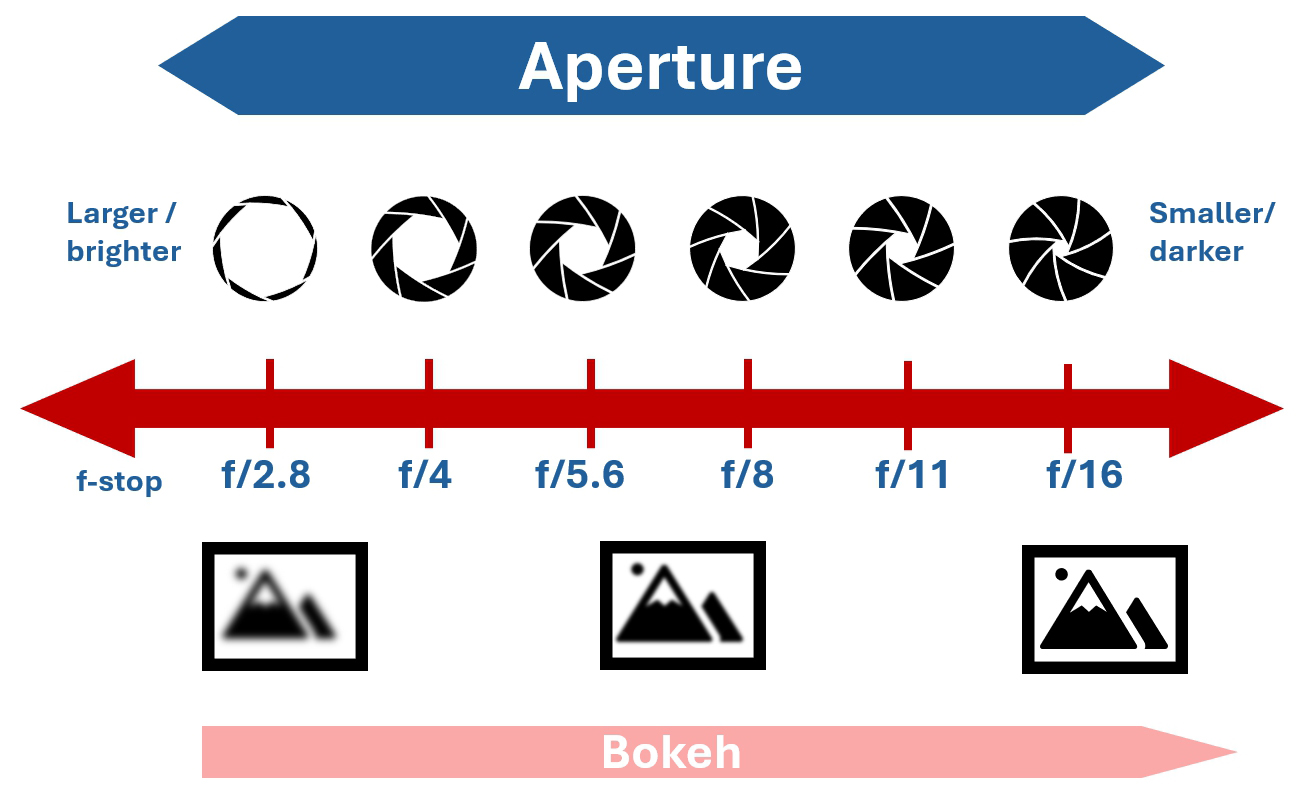
Aperture is the opening in a lens that lets the light pass through on its way to the camera sensor, but the word is also used to refer to the size of the opening. That size is expressed in “f-number” or “f-stops” and on most smartphones is fixed.
For example, the iPhone 17 Pro has a main camera with an f/1.78 aperture. The smaller the f-number, the more open the aperture is, so more light reaches the sensor. That’s partially why the iPhone 17 Pro’s ultrawide camera with f/2.2 aperture does worse in low light conditions.
Aperture’s effect on photos. | Image by Canon Snapshot
As you may have guessed by now, getting a variable aperture lens allows you to control the size of the opening and the amount of light that can pass. That functions just like the pupils of our eyes, which dilate in the dark to grab more light.
Another crucial effect of a camera’s aperture is the depth of field, or the amount of a photo that appears focused and sharp. When the aperture is very open, the depth of field is shallow, which adds blur to the background. If the aperture is very narrow, the depth of field is larger, and most of the picture is sharp and focused.
Being able to control how open the aperture is gives you control over the depth of field and the exposure of a photo, which is why all professional cameras have that feature. However, on a smartphone those effects are somewhat diminished because of a combination of physics and technology.
Little impact on smartphone photos
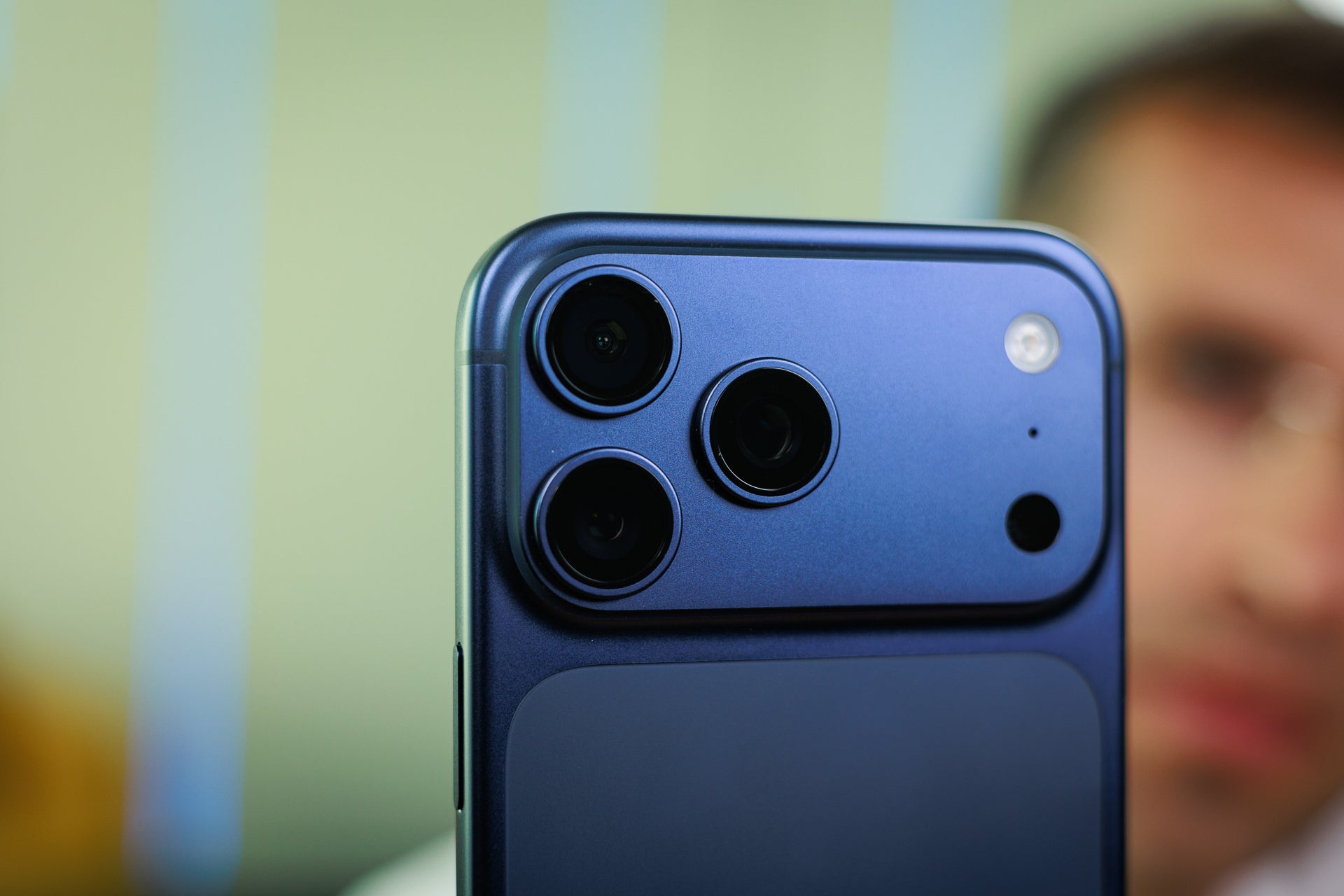
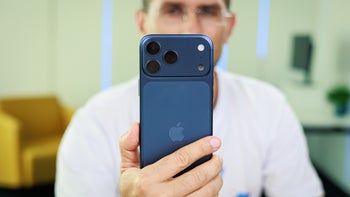
The iPhone 18 Pro camera may change, but the photos probably won’t. | Image by PhoneArena
Smartphone camera sensors are tiny, which diminishes the aperture’s effect on depth of field compared to cameras with larger sensors. I’ll spare you the details about that, but you can learn more about it from this explanation of how camera equivalence works by Photography Life.
What’s important to know is that even variable aperture won’t help the iPhone 18 Pro camera take photos with nice blurred backgrounds on its own. That would leave only the exposure effect of the feature to work with, but modern phones usually struggle with low light, not the other way around.
What camera upgrade would you prefer to get?
That’s essential, because even if it's variable, the minimum f-stop number on the iPhone 18 Pro is unlikely to go much lower than the f/1.78 of the current model. So we can’t expect shallow depth of field or higher exposure from the feature.
Adding an option to close the aperture is rarely necessary when taking mobile photos, which is why Apple is probably going to promote the feature with video.
Made for videographers
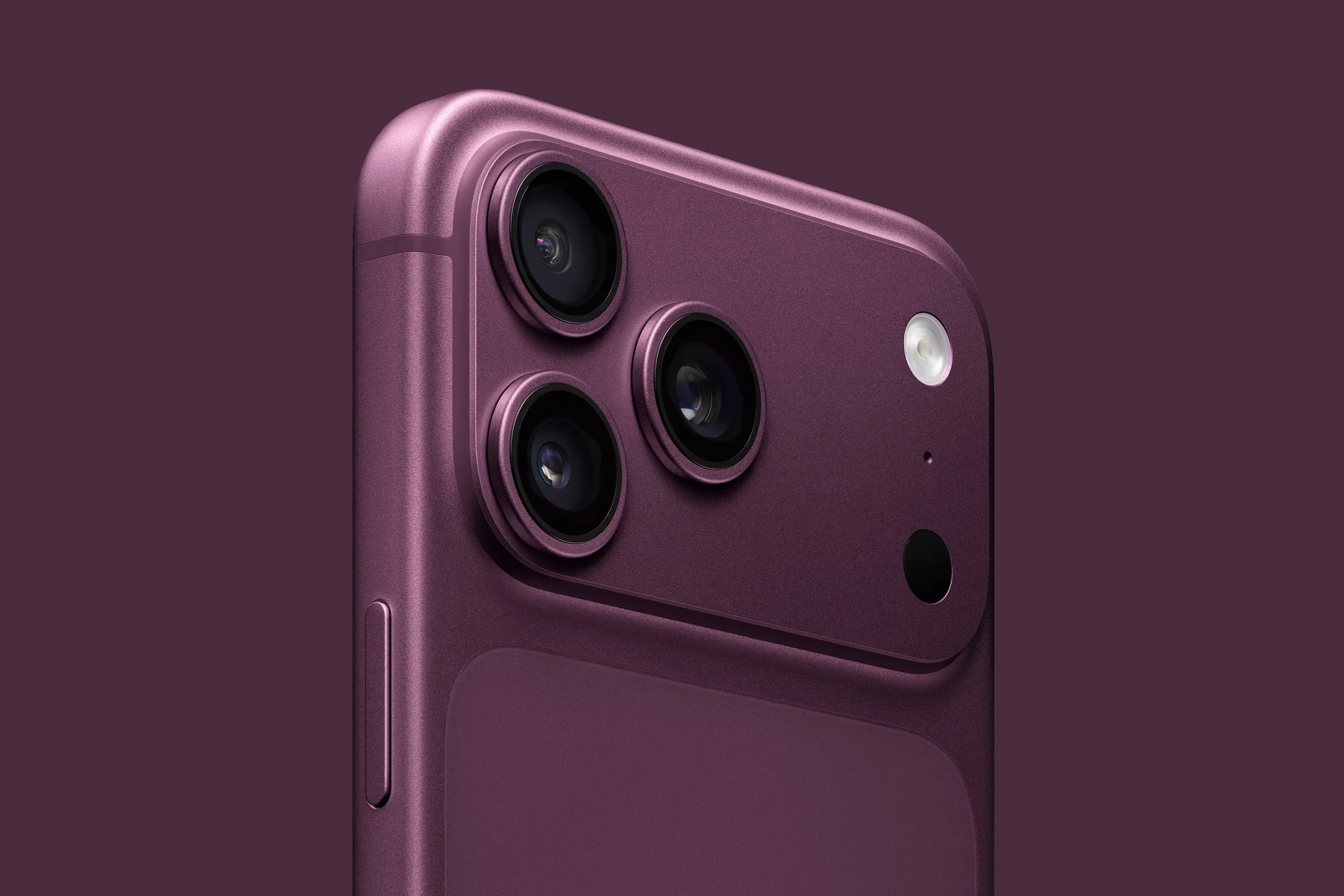
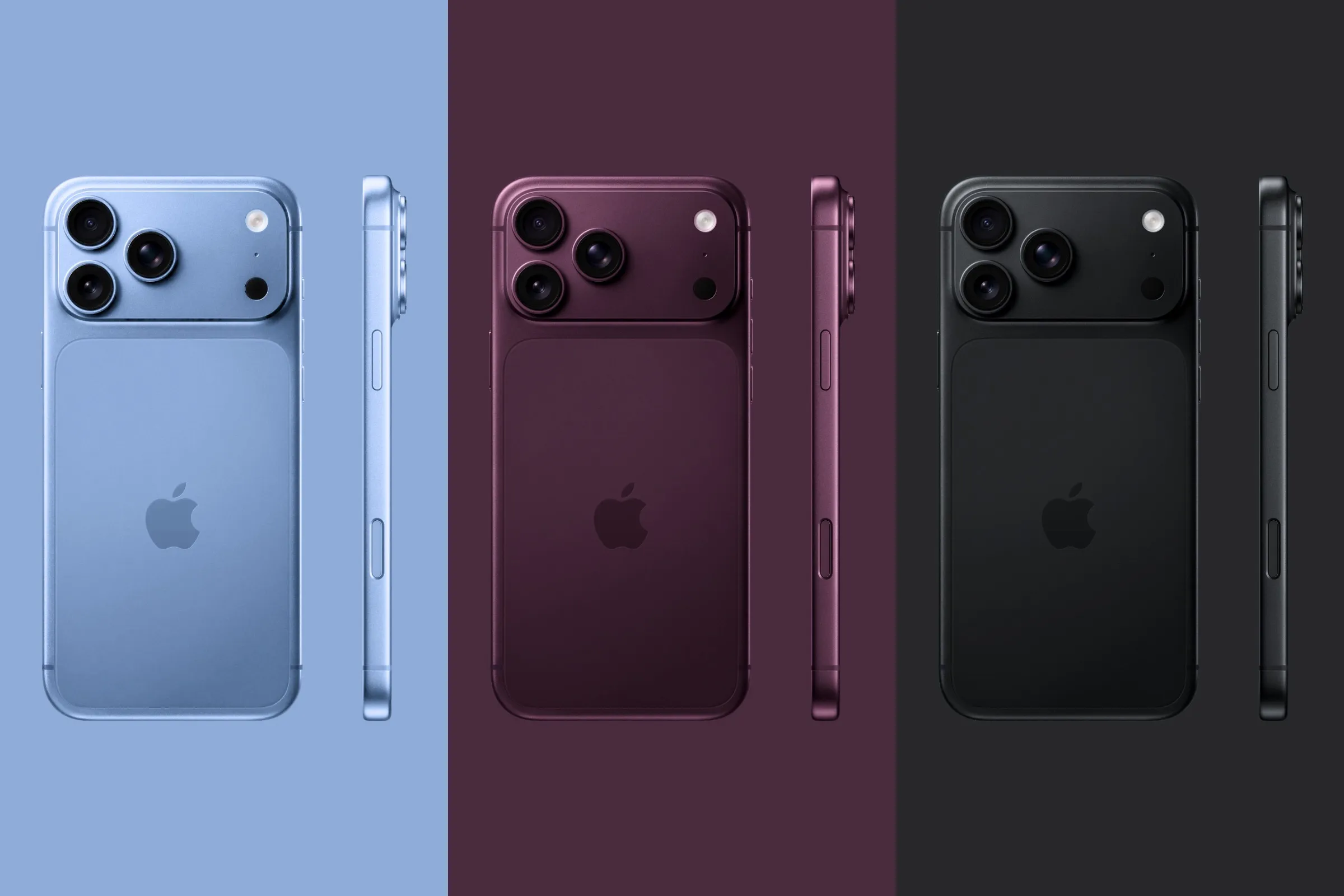
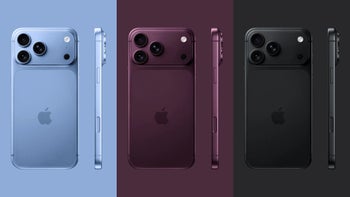
The three most likely colors of the iPhone 18 Pro. | Image by Macworld
With that in mind, the only reason to have a variable aperture is to allow advanced videographers to shoot video with a 180-degree shutter natively. That’s a cinematography standard where the camera’s shutter speed is fixed to double the frame rate to get videos with a more cinematic motion blur.
On an iPhone 17, you need to work with fixed aperture and shutter speed when following the 180-degree shutter concept, which could create exposure issues. In bright environments, you may need a bulky external filter to limit the excessive light your camera will see.
Closing the aperture is the solution for such situations, and the iPhone 18 Pro is about to provide it. That would make using those filters unnecessary and help videographers shoot in any conditions.
I firmly believe that Apple will focus precisely on such use when it presents the new camera feature. That’ll add to the growing list of “pro” camera features supported by the Pro iPhones.
Not the upgrade that’s worth it
Of course, that feature and its impact on the iPhone 18 Pro camera are certainly going to disappoint the vast majority of Apple’s users, who probably don’t even know what a 180-degree shutter is. Moreover, Apple is introducing extra mechanical complexity to its camera, which could lead to more technical issues with the device.
One final issue with the new feature is that it adds to the size of the camera, which is also why Samsung stopped using it after the Galaxy S10 series.
An upgrade that would make much more sense for the iPhone 18 Pro camera is adding a larger sensor. That would increase both the photo and video quality, increase the depth-of-field effect of the current aperture, and help the camera capture more light, improving low-light photos.
Hopefully, the iPhone 18 Pro is Apple’s “tock” device before a major upgrade for the 20th anniversary of the iPhone. If that’s the case, we can hope to get a proper camera update in 2027, because the variable aperture is definitely not worth the effort or the excitement.
Ilia, a tech journalist at PhoneArena, has been covering the mobile industry since 2011, with experience at outlets like Forbes Bulgaria. Passionate about smartphones, tablets, and consumer tech, he blends deep industry knowledge with a personal fascination that began with his first Nokia and Sony Ericsson devices. Originally from Bulgaria and now based in Lima, Peru, Ilia balances his tech obsessions with walking his dog, training at the gym, and slowly mastering Spanish.
A discussion is a place, where people can voice their opinion, no matter if it
is positive, neutral or negative. However, when posting, one must stay true to the topic, and not just share some
random thoughts, which are not directly related to the matter.
Things that are NOT allowed:
Off-topic talk - you must stick to the subject of discussion
Offensive, hate speech - if you want to say something, say it politely
Spam/Advertisements - these posts are deleted
Multiple accounts - one person can have only one account
Impersonations and offensive nicknames - these accounts get banned
To help keep our community safe and free from spam, we apply temporary limits to newly created accounts:
New accounts created within the last 24 hours may experience restrictions on how frequently they can
post or comment.
These limits are in place as a precaution and will automatically lift.
Moderation is done by humans. We try to be as objective as possible and moderate with zero bias. If you think a
post should be moderated - please, report it.
Have a question about the rules or why you have been moderated/limited/banned? Please,
contact us.








Things that are NOT allowed:
To help keep our community safe and free from spam, we apply temporary limits to newly created accounts: