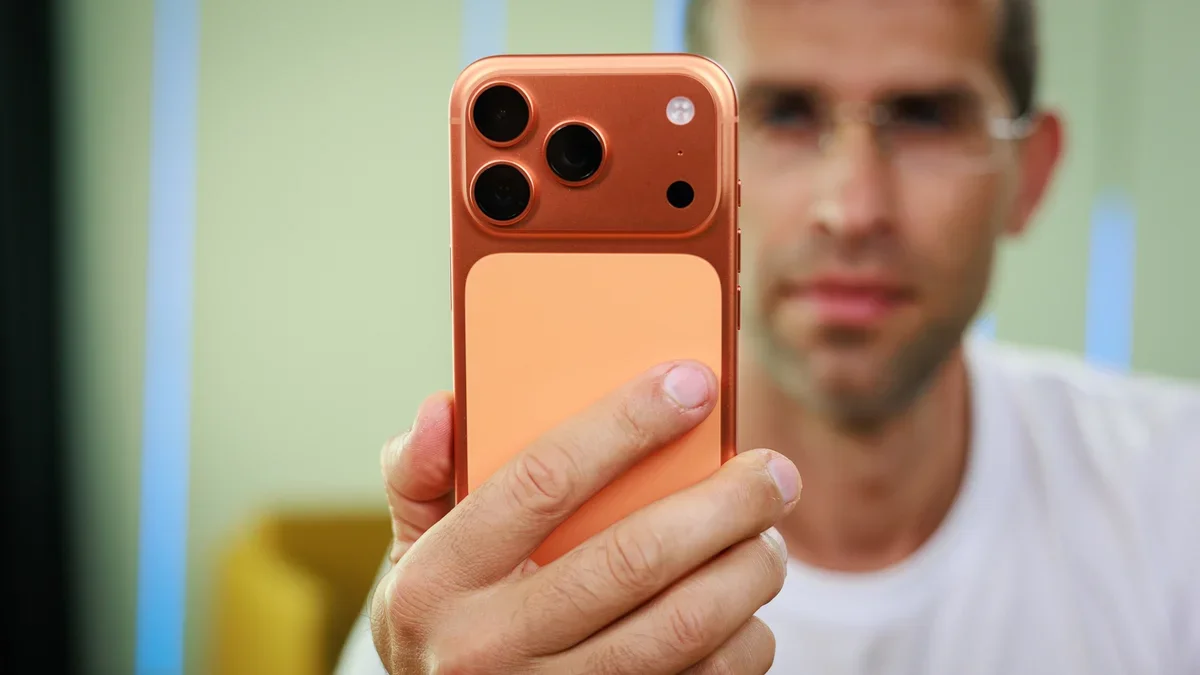
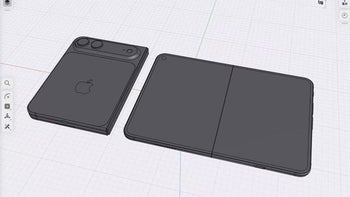
Sometimes, it's not just inflation. | Image by PhoneArena
Before a tech product like a phone or a tablet reaches a US shelf for you to grab it, it needs to be certified. Like many other things, this is often (and largely) done in China by overseas labs.
This must end, the FCC argues.
And, as a result, the lowered testing capacity could lead to slower product launches and higher costs for companies, since testing in the US is more expensive. And you know who ends up paying more? Why, the end consumer, of course.
Recommended For You
The proposition
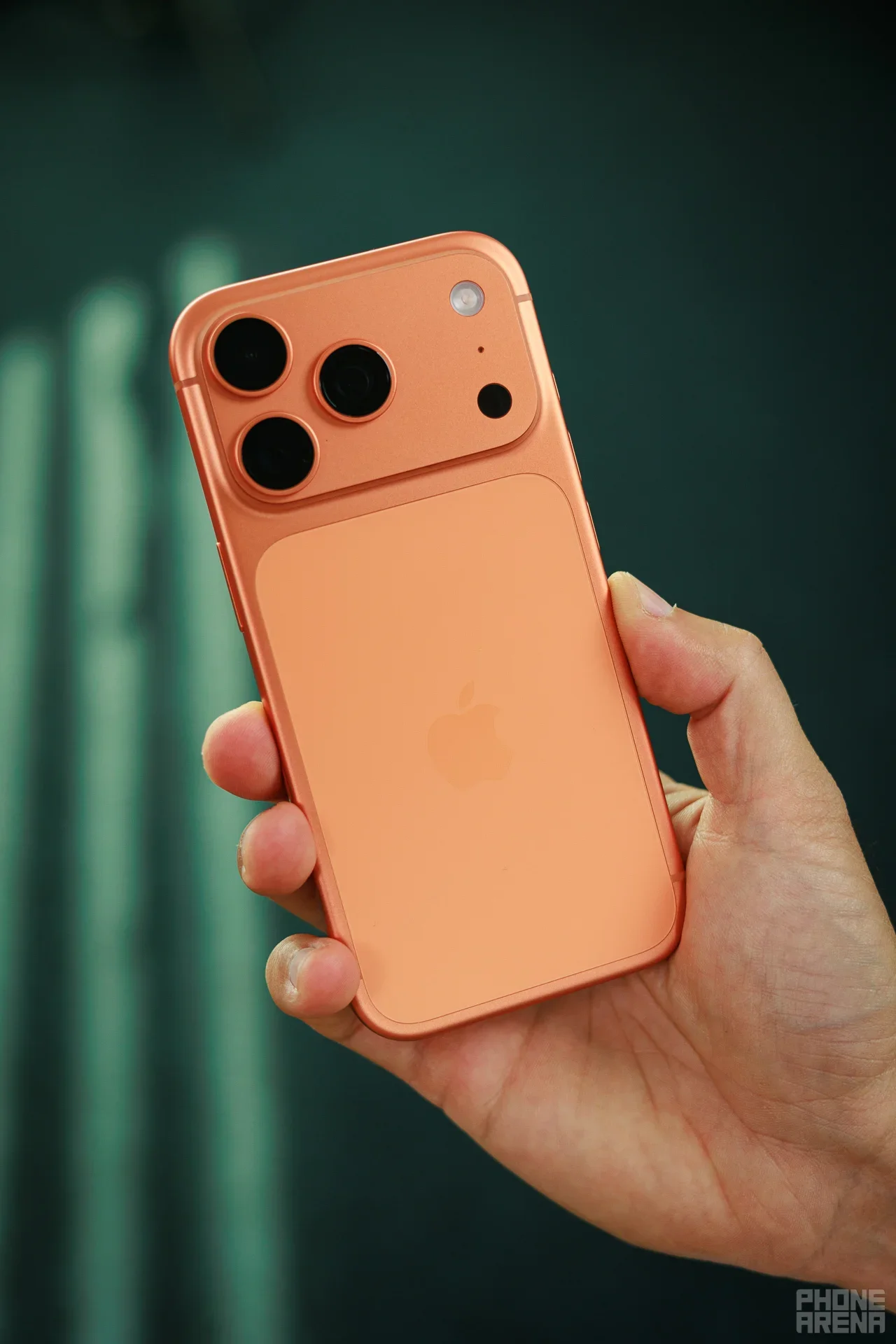
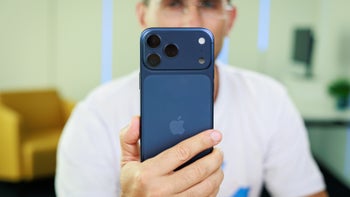
The iPhone is already expensive. | Image by PhoneArena
Later in April the Federal Communications Commission will vote on a proposal to bar all Chinese labs from testing numerous gadgets (not just smartphones, but cameras and computers, too) for use in the US.
In 2025, the FCC put the kibosh on Chinese labs that were owned or heavily controlled by the overseas government. This took 23 labs out of the equation. But the FCC says there are numerous China-based labs that are still testing US electronics.
What do they do?
Workers there check, for example, if a phone's signals interfere with other devices. They verify many safety and compliance standards.
Recommended For You
These quality-control checkpoints are pretty important and the FCC says about 75% of all electronics are tested in labs in China.
How much more are you willing to pay?
When will they vote?
The idea is to vote on the proposal on April 30. Prior to that, there could be another vote. This one would be about adopting "a streamlined approval process for devices tested in US labs". Alternatively, labs based in other countries (that don't, in theory, pose national security risks) could be chosen as well.
More prohibitions
Right now, it's not just Huawei that is hit with severe restrictions by the US government. Chinese-made drones are also banned in the US over "national security risks".
But these restrictions could escalate soon, as the FCC proposes to extend the ban.
The broader push builds on earlier restrictions introduced in 2021, when companies like Huawei, Hikvision, Dahua, Hytera and ZTE were placed on the FCC's Covered List over security concerns tied to US networks and infrastructure.
At the time, the restrictions applied mainly to new, unapproved products, allowing already certified devices to remain on sale. The new proposal goes much further, aiming to block these companies fully from the US market, including previously approved products.
Sebastian, a veteran of a tech writer with over 15 years of experience in media and marketing, blends his lifelong fascination with writing and technology to provide valuable insights into the realm of mobile devices. Embracing the evolution from PCs to smartphones, he harbors a special appreciation for the Google Pixel line due to their superior camera capabilities. Known for his engaging storytelling style, sprinkled with rich literary and film references, Sebastian critically explores the impact of technology on society, while also perpetually seeking out the next great tech deal, making him a distinct and relatable voice in the tech world.
A discussion is a place, where people can voice their opinion, no matter if it
is positive, neutral or negative. However, when posting, one must stay true to the topic, and not just share some
random thoughts, which are not directly related to the matter.
Things that are NOT allowed:
Off-topic talk - you must stick to the subject of discussion
Offensive, hate speech - if you want to say something, say it politely
Spam/Advertisements - these posts are deleted
Multiple accounts - one person can have only one account
Impersonations and offensive nicknames - these accounts get banned
To help keep our community safe and free from spam, we apply temporary limits to newly created accounts:
New accounts created within the last 24 hours may experience restrictions on how frequently they can
post or comment.
These limits are in place as a precaution and will automatically lift.
Moderation is done by humans. We try to be as objective as possible and moderate with zero bias. If you think a
post should be moderated - please, report it.
Have a question about the rules or why you have been moderated/limited/banned? Please,
contact us.








Things that are NOT allowed:
To help keep our community safe and free from spam, we apply temporary limits to newly created accounts: