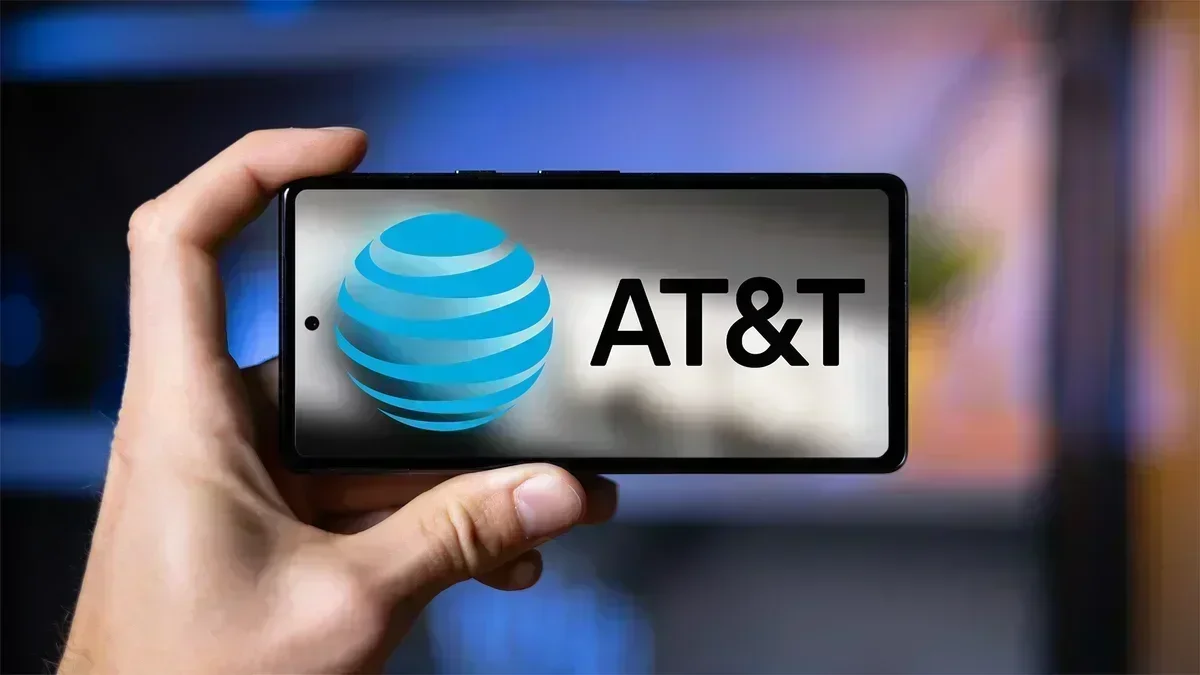
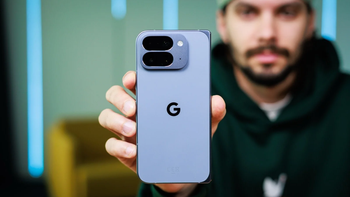
Things could change dramatically in the future. | Image by PhoneArena
If you're even mildly interested in the tech world, there's a good chance you've already heard about the dangers that AI and quantum computing hold for the near future. AT&T is concerned about it, too, and has some ideas about what to do next.
Now, AT&T and Ericsson have come up with a joint security paper that outlines the risks surrounding 5G and 6G networks in the future, where AI and open architectures will be much more common than today.
Recommended For You
The plan says that the network infrastructure needs to embrace post-quantum cryptography (PQC) standards. While traditional computing systems protect our bank accounts, private messages and everything else, it relies on math problems that are incredibly hard for normal computers to solve but are quite easy for a powerful quantum computer to "unmask" in theory. If someone builds a large-scale quantum computer tomorrow, the digital locks on the entire internet could effectively be snapped open instantly.
How worried are you about quantum computing?
Because we know this threat is coming, scientists are developing post-quantum cryptography. Instead of using the old math problems that quantum computers are good at solving, this new type of security uses incredibly complex geometric shapes or messy mathematical layers that remain a total mystery to both normal and quantum machines. Sounds fun.
Recommended For You
So, AT&T and Ericsson say the industry has to collaborate and cooperate. Rich Baich, AT&T's chief information security officer, says that "all the players in the network ecosystem" have to think "about what role they need to play in securing an open and intelligent network".
According to Mikko Karikytö, chief product security officer at Ericsson, users "can't expect that security of mobile networks would be covered by any single player in this kind of stack".
Quantum computing, open, decentralized networks, and AI security are usually addressed as distinct topics. For 5G networks, combining them into a single view is novel and lays the groundwork for 6G security procedures.
Sebastian, a veteran of a tech writer with over 15 years of experience in media and marketing, blends his lifelong fascination with writing and technology to provide valuable insights into the realm of mobile devices. Embracing the evolution from PCs to smartphones, he harbors a special appreciation for the Google Pixel line due to their superior camera capabilities. Known for his engaging storytelling style, sprinkled with rich literary and film references, Sebastian critically explores the impact of technology on society, while also perpetually seeking out the next great tech deal, making him a distinct and relatable voice in the tech world.
A discussion is a place, where people can voice their opinion, no matter if it
is positive, neutral or negative. However, when posting, one must stay true to the topic, and not just share some
random thoughts, which are not directly related to the matter.
Things that are NOT allowed:
Off-topic talk - you must stick to the subject of discussion
Offensive, hate speech - if you want to say something, say it politely
Spam/Advertisements - these posts are deleted
Multiple accounts - one person can have only one account
Impersonations and offensive nicknames - these accounts get banned
To help keep our community safe and free from spam, we apply temporary limits to newly created accounts:
New accounts created within the last 24 hours may experience restrictions on how frequently they can
post or comment.
These limits are in place as a precaution and will automatically lift.
Moderation is done by humans. We try to be as objective as possible and moderate with zero bias. If you think a
post should be moderated - please, report it.
Have a question about the rules or why you have been moderated/limited/banned? Please,
contact us.











Things that are NOT allowed:
To help keep our community safe and free from spam, we apply temporary limits to newly created accounts: