Over 70% of the world uses Android, which basically means any tweak Google makes to the OS affects billions of people. And right now, Google is about to make a change that could shake things up in a big way.
Yep, Google is ditching the old annual update schedule we’ve all gotten used to and moving to a system with more frequent releases. This is arguably one of the most significant changes to Android updates since the OS first arrived.
And I think this move could make Google’s own hardware – Pixel phones – look way more attractive, especially to anyone who actually likes having the newest software in their hands. Let me tell you why.
Android updates are stepping into a new era
Starting with Android 16, Google’s shifting to a faster, more frequent update rhythm. | Image credit – Google
The goal behind this shift is pretty clear: launch new features as soon as they are ready. Pixel phones will always be first in line, just like they’ve been before. However, now, Google plans to push certain features to third-party devices faster, too, which is great, right? Yeah, on paper.
Recommended For You
Because other manufacturers will still need to adjust the updates for their devices, and that process can be slow. Samsung usually moves fast enough, but most other brands? Not so much. And now, one major update a year won’t cut it anymore. Google plans to deliver multiple smaller, feature-packed updates throughout the year. Think of it as Android moving from “annual fireworks show” mode to “fireworks every month” mode.
This will put real pressure on other brands. Motorola will have to update more often – something we all probably agree is long overdue. OnePlus, Honor, Oppo, Vivo – you name it. Even Samsung will need to stay sharp. If they all want to stay competitive, they can’t just release one major update a year and call it a day.
Recommended For You
And here’s the kicker: for anyone who actually cares about having the newest Android features and top-notch performance, Pixel phones are about to become a much more tempting option.
Pixel phones might finally get the spotlight
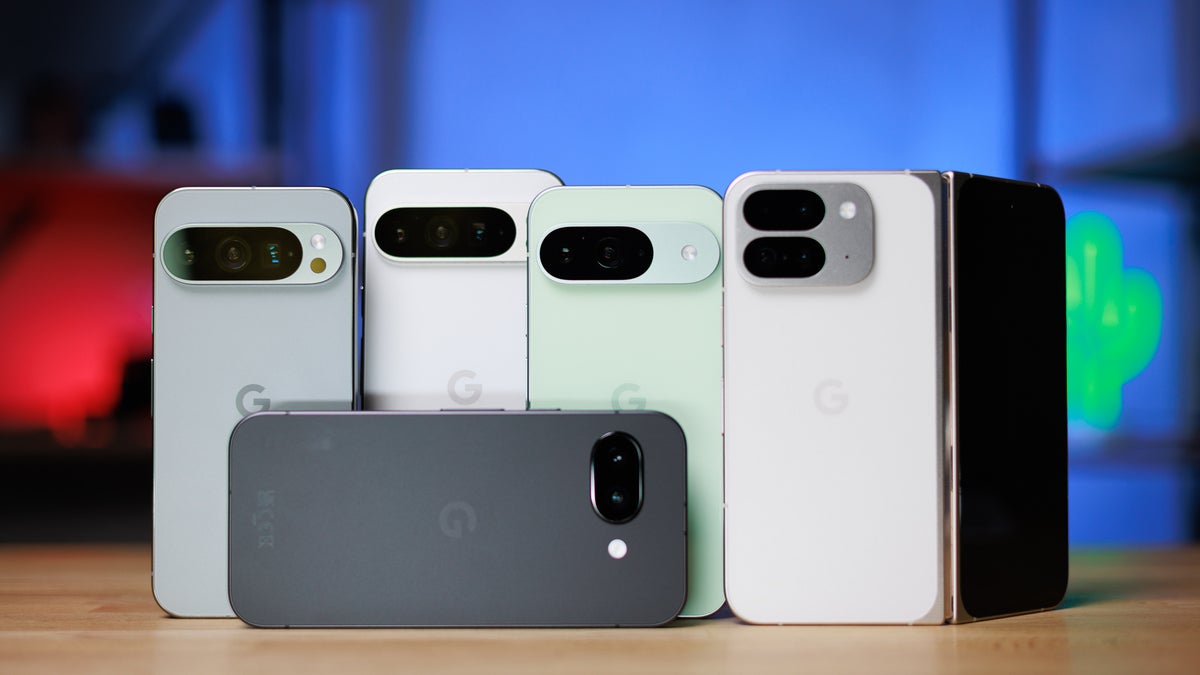
Pixel 10 Pro. | Image by Image credit – PhoneArena
Despite being around for a while – I mean the Pixel 10 series is already out – Pixel phones still aren’t mainstream. They’ve never cracked a best-selling phone list, and outside the US, Japan, and parts of Europe, they are basically flying under the radar.
Pixel phones aren’t exactly topping sales charts in any region.
Even with that jump, Google still holds only a small slice of the smartphone market.
By giving Pixel users the latest Android features first – and with bigger, more frequent updates – Google could make other phone brands feel slow and sluggish. Controlling the software experience is a huge advantage, and it could finally make Pixel phones the “it” option for Android users.
One of Pixel’s strongest selling points has always been that it gets every Android update – major, minor, and security – on day one. With more frequent releases, the gap between Pixel updates and third-party updates will grow. Imagine waiting months for a new feature while your Pixel-owning friend is already showing off the new stuff – frustrating, right? That frustration might just nudge more people toward Google hardware.
On the other hand, Google has historically used Pixel-exclusive feature drops to make its phones feel special. If some of those features reach other brands faster than before, the sense of exclusivity might take a small hit. But let’s be real – how fast do you think most OEMs will move? Yeah, probably not fast enough to make a difference.
The big question now is: will other Android brands actually roll out updates quickly enough to compete with Google’s new approach? Or will Pixels finally get the recognition they’ve deserved for years? Either way, it’s clear that this change makes Android updates something to pay attention to – not just a background process you ignore until your phone nags you.
So, what do you think? Are you excited about the new Android update pace, or do you see it causing more headaches for everyone who doesn’t own a Pixel? And most importantly – would you consider a Pixel just to stay on the front line of Android features, or are you happy letting your OEM move at its own pace?
Tsveta, a passionate technology enthusiast and accomplished playwright, combines her love for mobile technologies and writing to explore and reveal the transformative power of tech. From being an early follower of PhoneArena to relying exclusively on her smartphone for photography, she embraces the immense capabilities of compact devices in our daily lives. With a Journalism degree and an explorative spirit, Tsveta not only provides expert insights into the world of gadgets and smartphones but also shares a unique perspective shaped by her diverse interests in travel, culture, and visual storytelling.
A discussion is a place, where people can voice their opinion, no matter if it
is positive, neutral or negative. However, when posting, one must stay true to the topic, and not just share some
random thoughts, which are not directly related to the matter.
Things that are NOT allowed:
Off-topic talk - you must stick to the subject of discussion
Offensive, hate speech - if you want to say something, say it politely
Spam/Advertisements - these posts are deleted
Multiple accounts - one person can have only one account
Impersonations and offensive nicknames - these accounts get banned
To help keep our community safe and free from spam, we apply temporary limits to newly created accounts:
New accounts created within the last 24 hours may experience restrictions on how frequently they can
post or comment.
These limits are in place as a precaution and will automatically lift.
Moderation is done by humans. We try to be as objective as possible and moderate with zero bias. If you think a
post should be moderated - please, report it.
Have a question about the rules or why you have been moderated/limited/banned? Please,
contact us.








Things that are NOT allowed:
To help keep our community safe and free from spam, we apply temporary limits to newly created accounts: